Call Now

Contact

http://onboatmarine.com

Marine VHF Antenna Types for Boats and Yachts

Reliable communication is one of the most critical components of marine safety and navigation. Among the essential tools aboard any boat or yacht is the marine VHF antenna, which enables clear, consistent contact with marinas, other vessels, and emergency services. In this guide, we explore the most common marine VHF antenna types, explain how they work, and help you determine which one is best suited for your vessel.

Whether you’re equipping a powerboat, sailboat, or luxury yacht, selecting the correct antenna type ensures optimal performance, especially in coastal environments where line-of-sight transmission is vital.

Main Marine VHF Antenna Types Explained

Fiberglass Antennas

Fiberglass VHF antennas are the most popular option for recreational and mid-sized vessels. These antennas combine strong weather resistance with flexible construction, making them ideal for boats that frequently encounter salt, wind, and spray.

  • Typically available in 4 to 8 feet lengths
  • Provide moderate to high gain (6dB to 9dB)
  • Best suited for powerboats and yachts with elevated mounting areas

Fiberglass antennas also integrate well with other marine electrical equipment, maintaining both form and function.

Stainless Steel Whip Antennas

Known for their durability and slim profile, stainless steel whip antennas are preferred by sailors and small boat owners.

  • Excellent for environments with strong motion or limited mounting space
  • Lower gain (around 3dB), but more reliable in rough sea conditions
  • Often used alongside minimal electronics like depth finders or boat lights

Because of their design, they’re less prone to damage from wind loading or mechanical stress.

AIS-Optimized Antennas

Antennas optimized for AIS (Automatic Identification System) are designed to support both voice and data communication. These are increasingly critical for modern marine communication systems.

  • Facilitate real-time vessel tracking and collision avoidance
  • Can often function in tandem with a VHF radio with GPS chartplotter features
  • Highly recommended for vessels navigating busy coastal waters

AIS antennas complement systems like boat radar, enhancing awareness and safety offshore.

Compact “Squatty” Antennas

When space or clearance is limited, squatty antennas offer a compact alternative. They’re commonly used on sailboats, tenders, or hardtop-mounted installations.

  • Typically have 3dB gain for close-range communication
  • Good choice when installing near marine solar panels or other roof-mounted equipment
  • Ideal for harbor, marina, and inland waterway use

Despite their size, they provide solid performance within a limited range and help reduce top-heaviness on smaller vessels.

Key Performance Factors When Choosing an Antenna

Gain Ratings and Signal Range

VHF antenna gain, measured in decibels (dB), affects how your signal is projected. A higher gain means a more focused horizontal signal, great for flat water conditions. Lower gain antennas spread the signal vertically, which is better for boats that rock and tilt.

  • 3dB: Best for sailboats and small vessels
  • 6dB–9dB: Ideal for larger powerboats or yachts

Proper gain selection is vital to maintain signal clarity across long distances.

Antenna Length and Placement

Longer antennas usually mean higher gain. But more important than length is mounting height—antennas should be installed at the highest practical point.

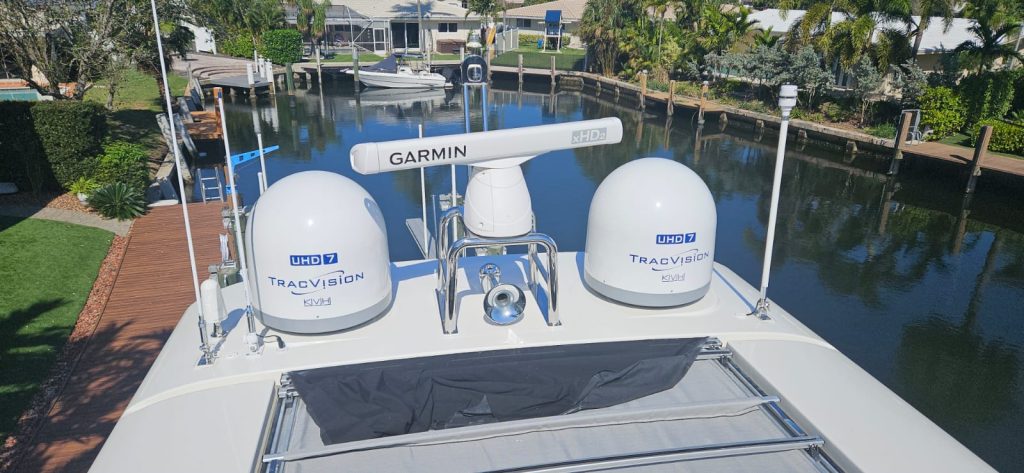
  • Mount on masts, radar arches, or hardtops
  • Maintain distance from metal obstructions or other electronics like marine inverter chargers

Complement with a reliable marine battery management system to ensure stable power supply

Coaxial Cable and Connector Quality

Cable type and quality directly influence signal strength. Use high-quality RG-58 or RG-8X coaxial cable and standard marine-grade PL-259 connectors. Avoid excessive lengths or sharp bends.

  • Poor cables can degrade signal even if the antenna itself is top-tier

Consider waterproof connections and secure routing, especially in areas near shore power or marine battery chargers

Best Practices for Marine VHF Antenna Installation

For the best results, follow these key installation practices:

  • Mount antennas vertically to ensure full coverage
  • Waterproof all connections to avoid corrosion or interference
  • Avoid placing antennas too close to metal surfaces or other high-output devices

Using a marine isolation transformer when integrating shore power can also help reduce interference. If you’re unsure, trust a certified installer like OnBoat Marine, which specializes in electrical and electronic installations for yachts.

Common Mistakes to Avoid

  • Choosing an antenna with too high gain for a sailboat, which may reduce signal reliability
  • Mounting antennas too low, especially below deck or next to large metal objects
  • Using outdated or damaged coaxial cables
  • Overloading your electrical system by mixing incompatible components like marine batteries, inverters, and chargers without a proper management system

Avoiding these pitfalls ensures your communication system works when it matters most.

Why Professional Installation Matters

Even the best antenna won’t perform well if installed incorrectly. Certified professionals handle:

  • Optimal mounting height and orientation
  • Secure cable routing and waterproofing
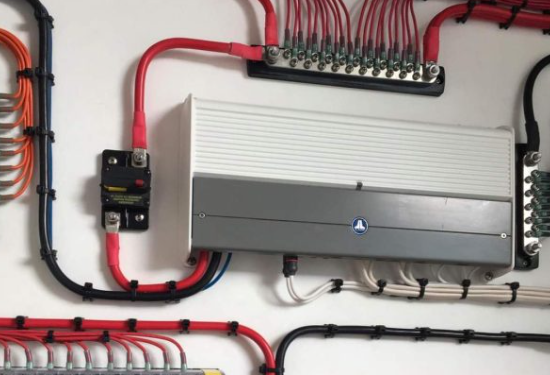
  • Integration with existing marine electrical equipment

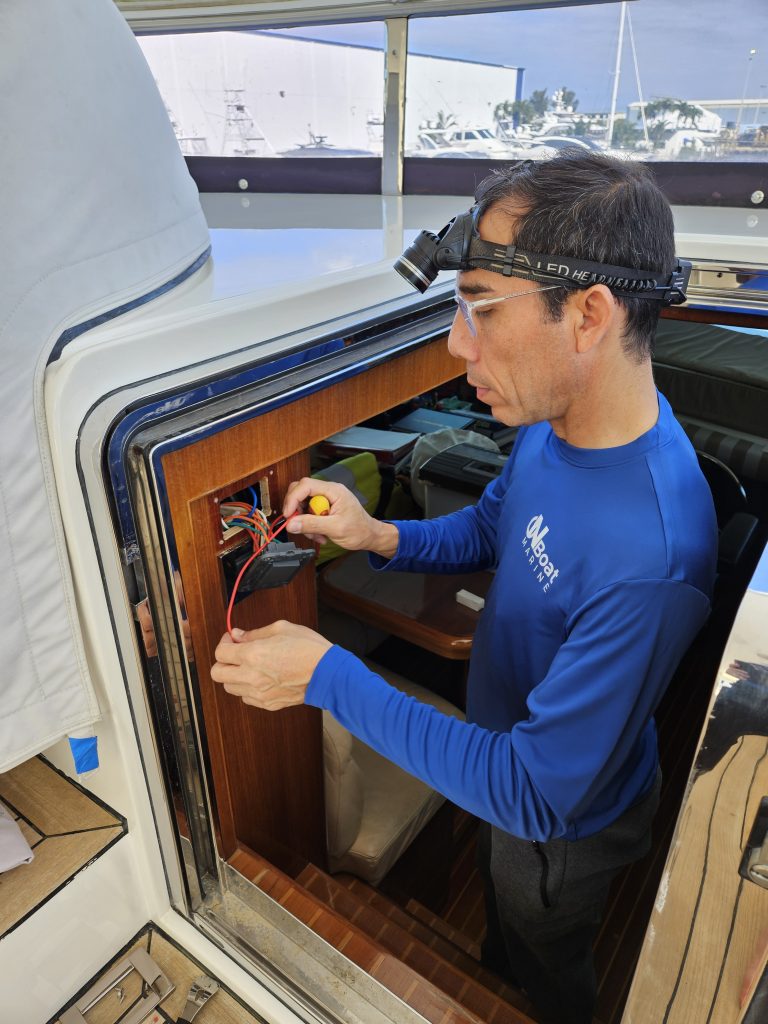
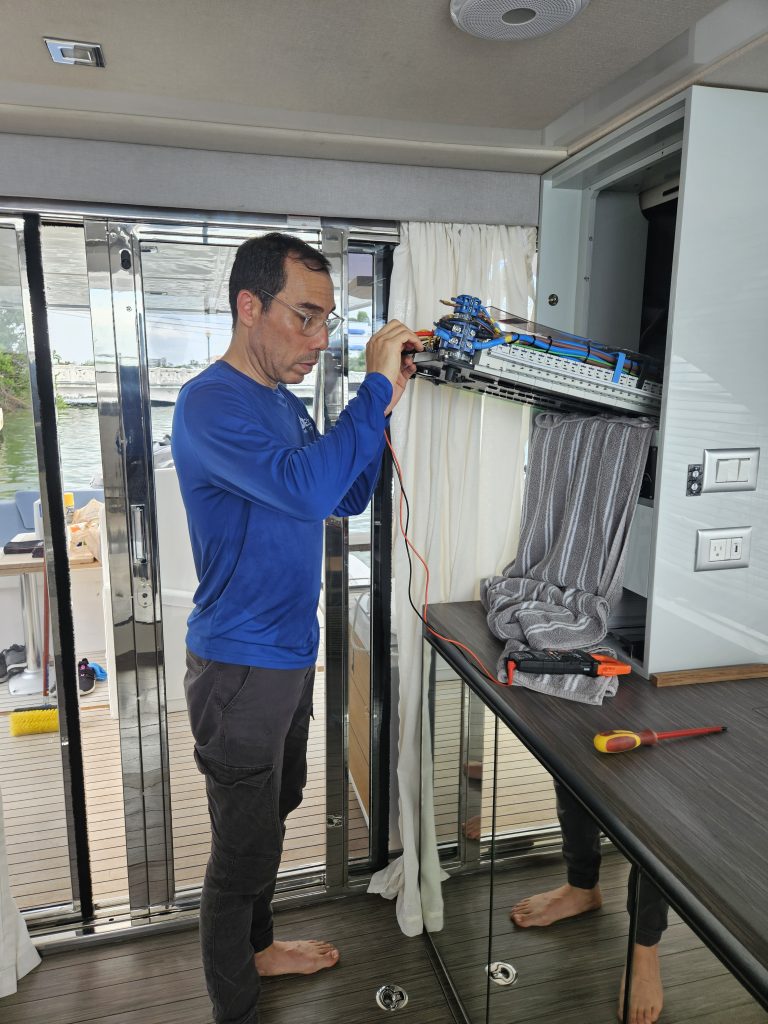
At OnBoat Marine, our ABYC and NMEA-certified technicians specialize in installations only. We design and install custom VHF systems tailored to your boat’s layout and electronics, whether you use a marine battery charger 3 bank, a shore power vs generator combo, or marine power inverters for extended cruising.

Choose the Right Antenna for Performance and Safety

Your marine VHF antenna is more than a piece of hardware—it’s a lifeline. From coordinating with marinas to receiving emergency broadcasts, the right antenna setup can make all the difference. Understanding marine VHF antenna types, their applications, and proper installation methods helps ensure clear, consistent communication wherever you navigate.

For expert advice and flawless installations, trust the team at OnBoat Marine to equip your boat or yacht with the best marine electronics solutions available.